Special effects printing
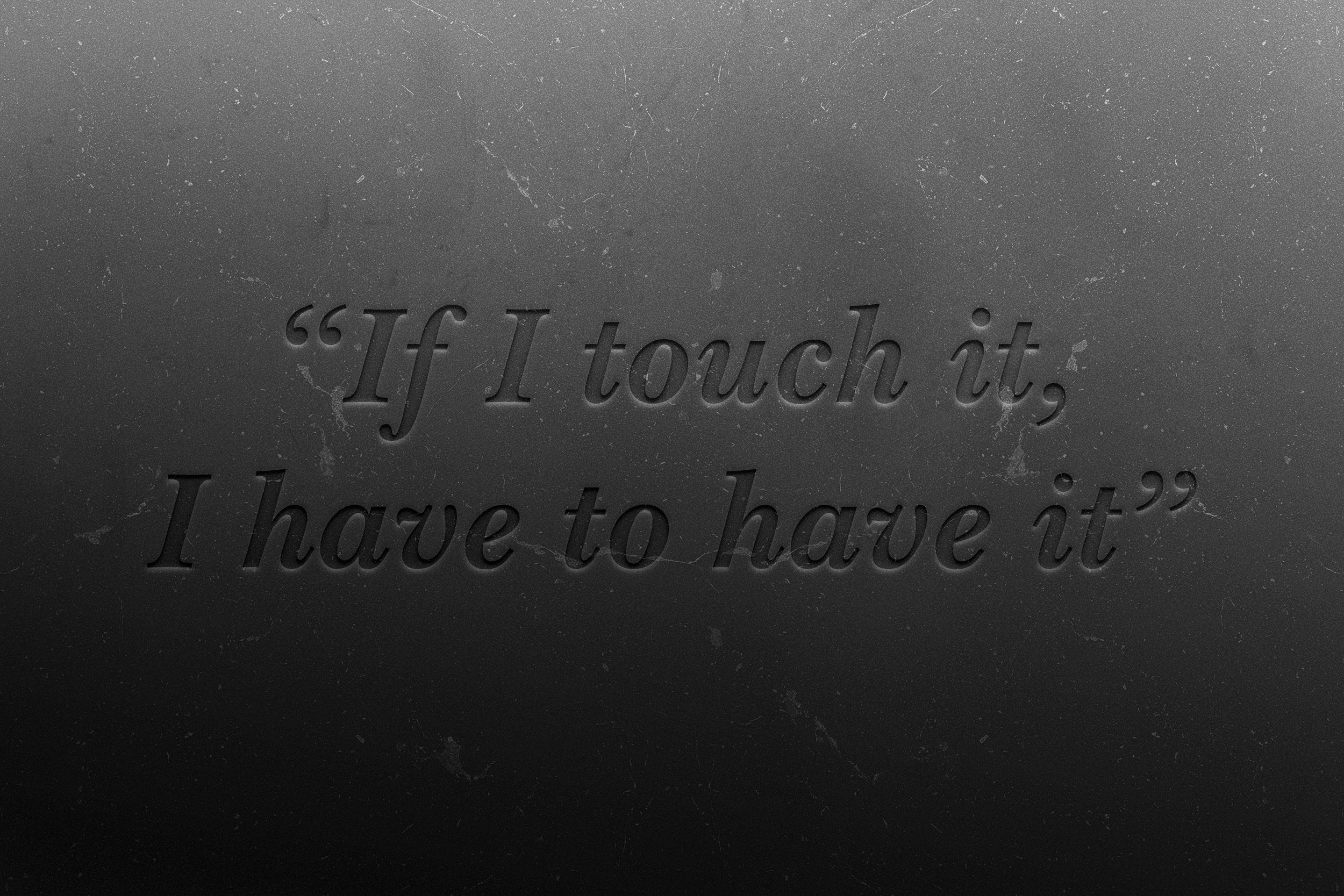
Embossing & Debossing: texturized printing techniques
elevate your print materials with Special Effects You Can See and Feel! because The best print pieces make you feel something, activate your senses, and take a blank page and make it come alive.
Embossing Vs. Debossing
-
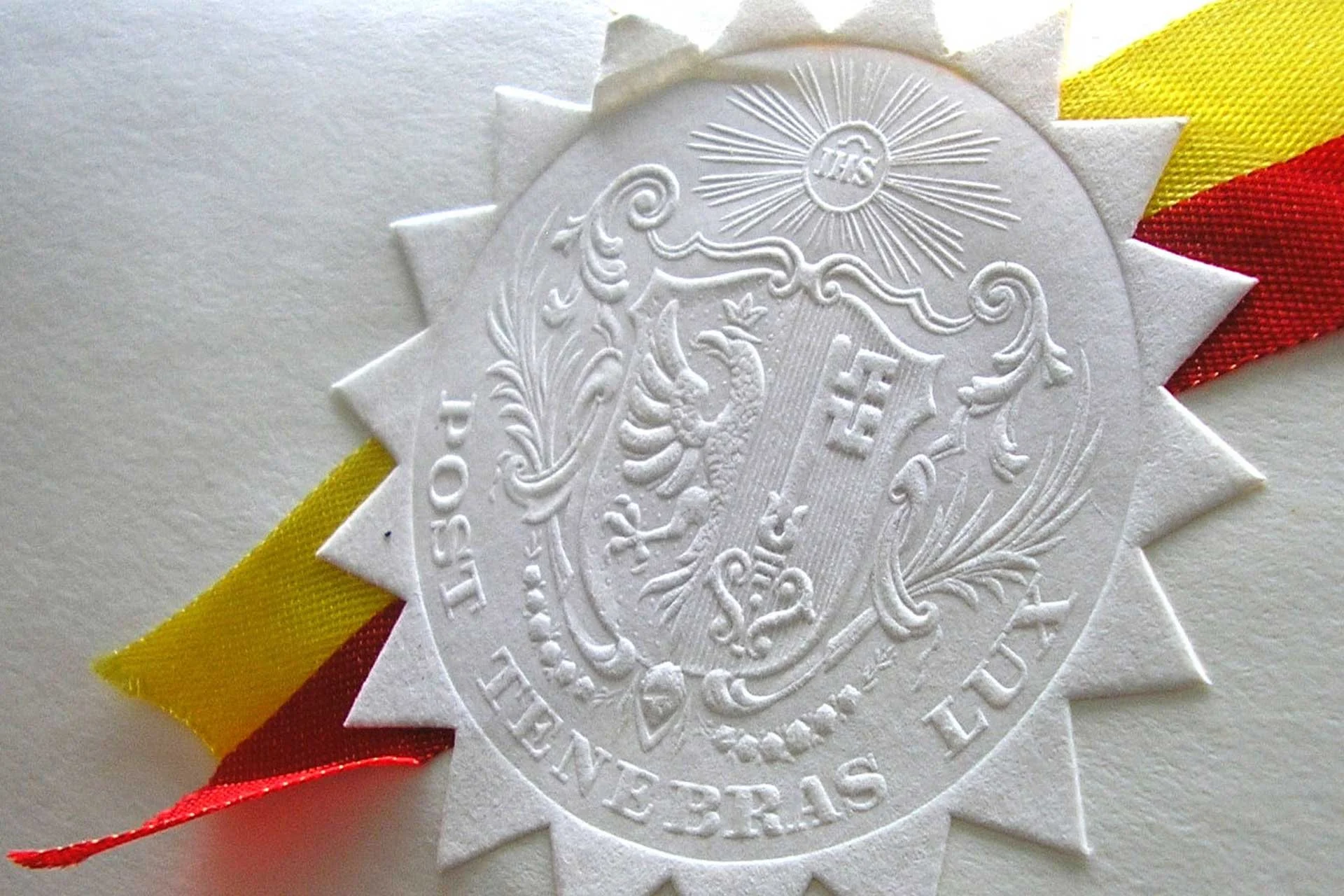
Embossed Printing
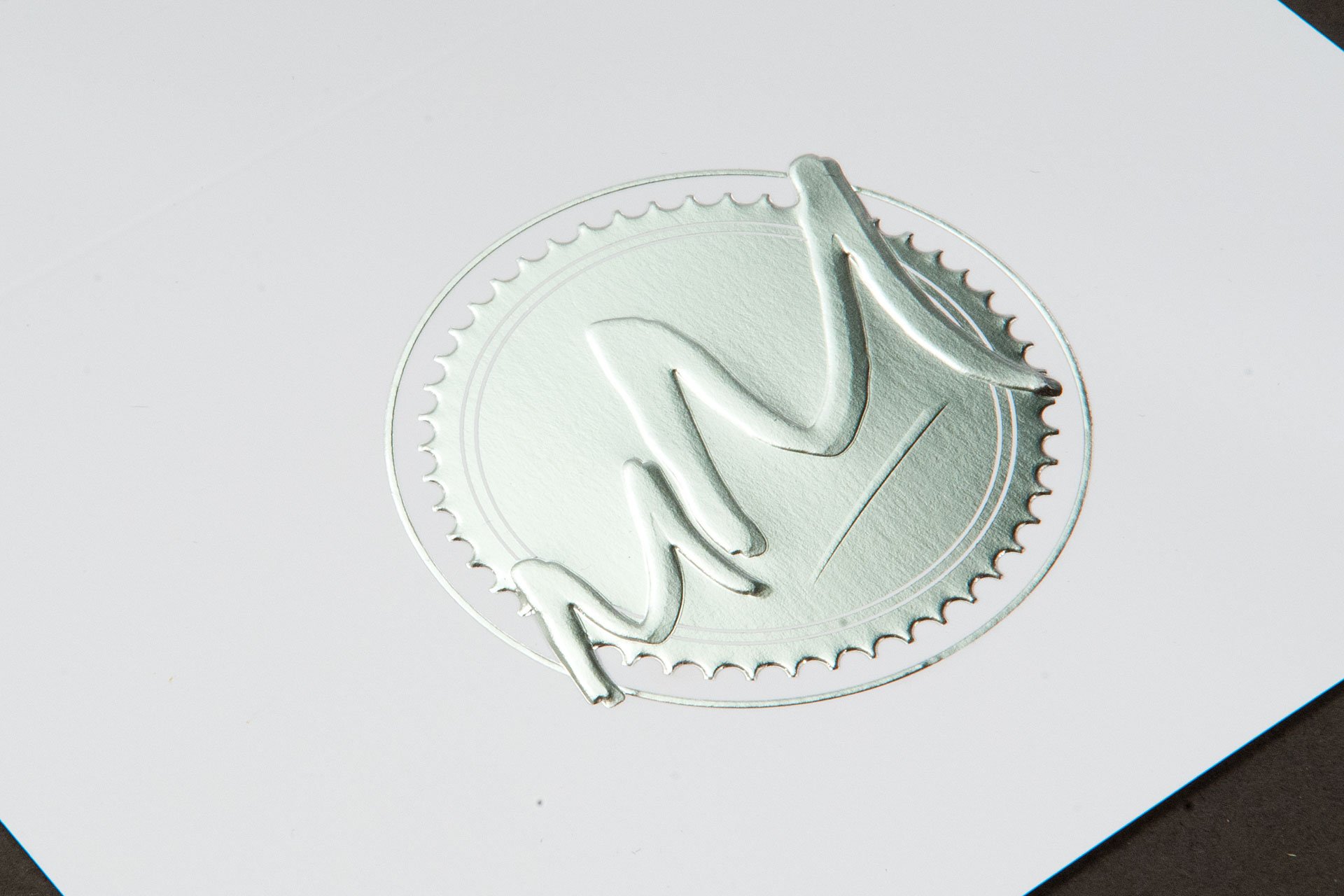
In the print world, embossing is a process that creates a raised, three-dimensional design on paper or cardstock by pressing it between two dies. This gives a design the appearance of sitting higher than the surface of the material, adding a tactile and premium feel to printed items like business cards, invitations, and packaging. Embossed printing creates an elegant, subtle textured finish.
-

Debossed Printing
Debossing is a printing technique that creates a sunken, recessed design on paper or other materials by pressing a die into the surface. It creates an indented impression that provides a subtle, tactile, and elegant effect. This process is often used for luxury packaging, stationery, and branding materials.
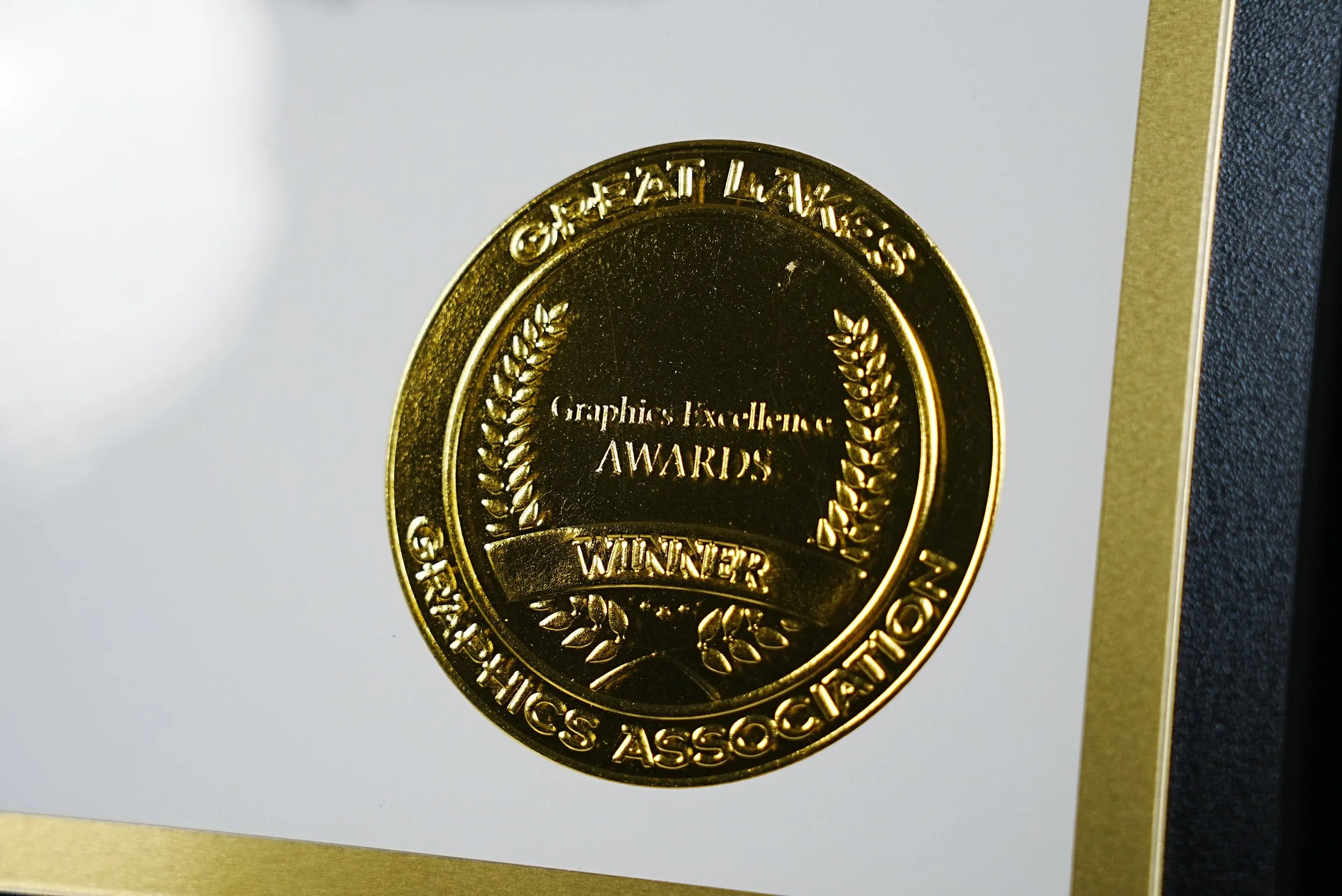
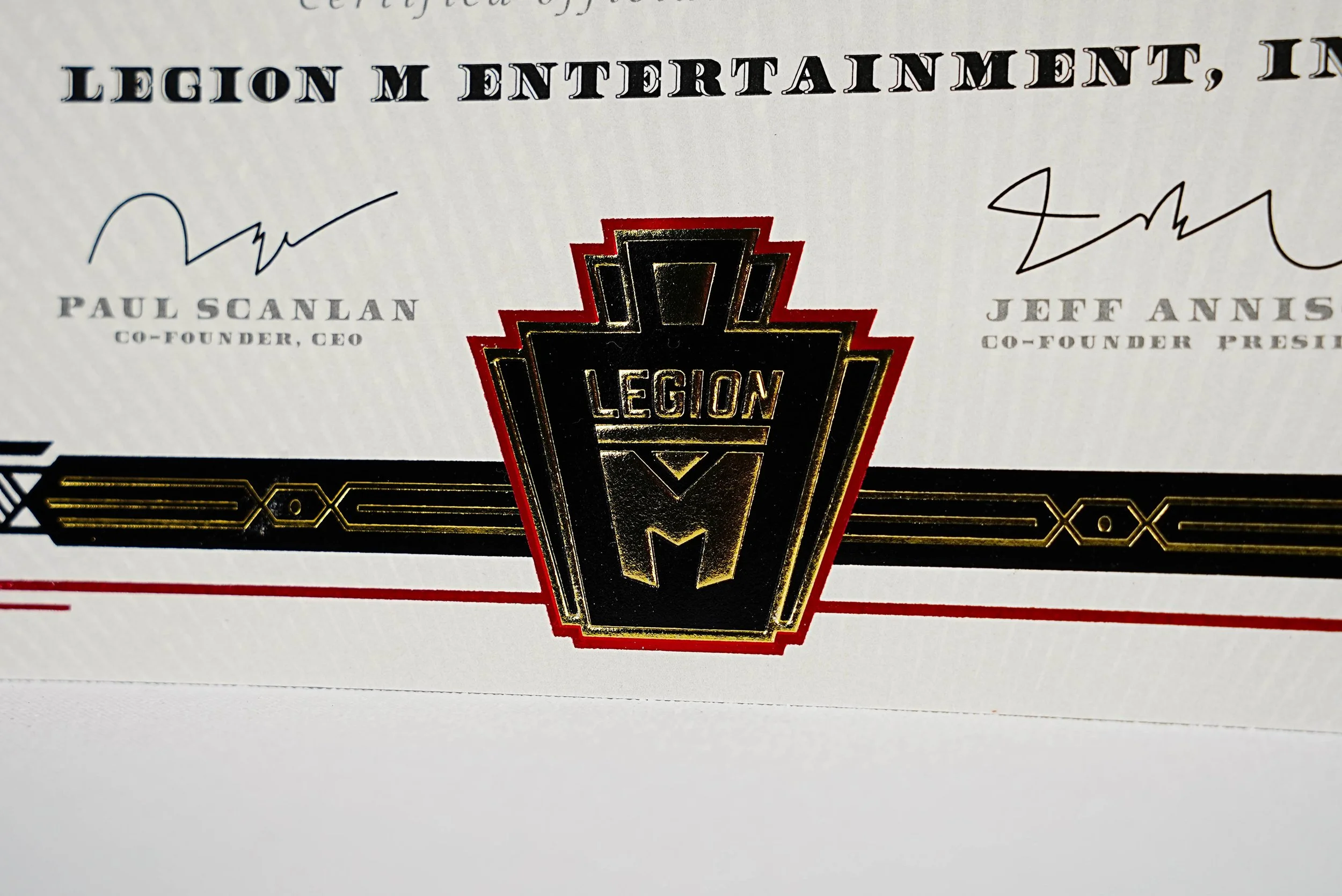
Foil Embossing: Combines the techniques of foiling and embossing to produce a highly finished look.
Frequently asked questions
-
Yes, there are more effects you can create with embossing and debossing. The most popular being:
Blind Embossing: Raised image or lettering without the use of ink to create elegant, subtle textured finishes.
Foil Embossing: Combines the techniques of foiling and embossing to produce a highly finished look. Refer to the section above for an example.
Register Embossing: The embossing of inked images or lettering provides a creative custom finish.
-
Embossing and debossing adds a special layer of importance to your printed piece. They not only jump off your print and packaging visually, they create a game-changing tactile experience as well. You’ve probably seen embossed content before—it’s almost impossible not to touch it.
The kind of differentiation embossing and debossing can bring to your marketing materials will be sure to pique curiosity, and with curiosity comes a desire to learn more about your product and brand. Impressed logos, lettering, patterns, images and graphics are a unique way to draw attention to your printed piece.
-
Yes, 3-D printing, embossing or debossing have a powerful impact in the utilization of haptic marketing, where emotions are more likely to be captured by increased sensory of touch and 3D imagery. It compels the consumer to want to feel the embossed section as they take in the visual message simultaneously, making for a memorable brand experience.
-
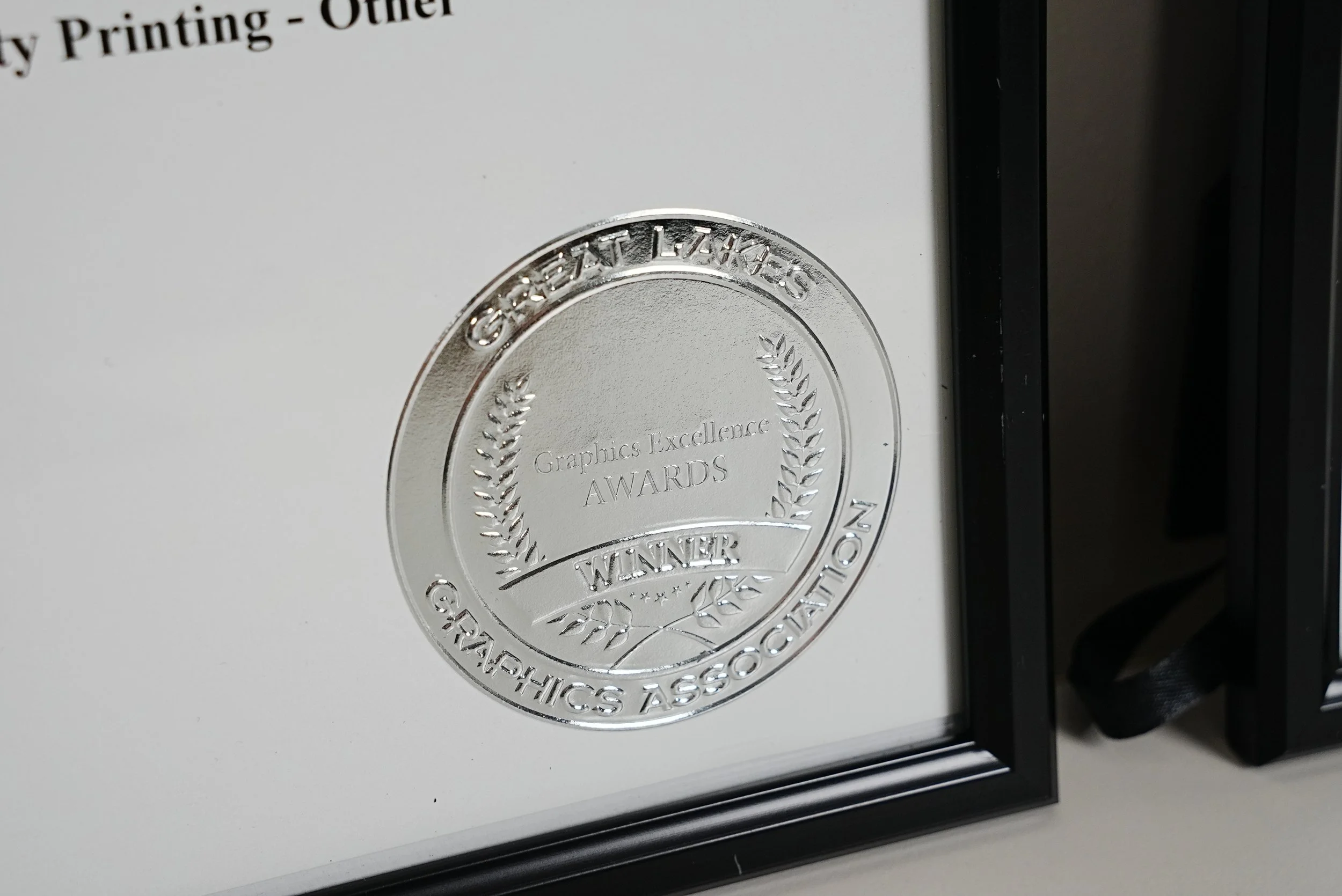
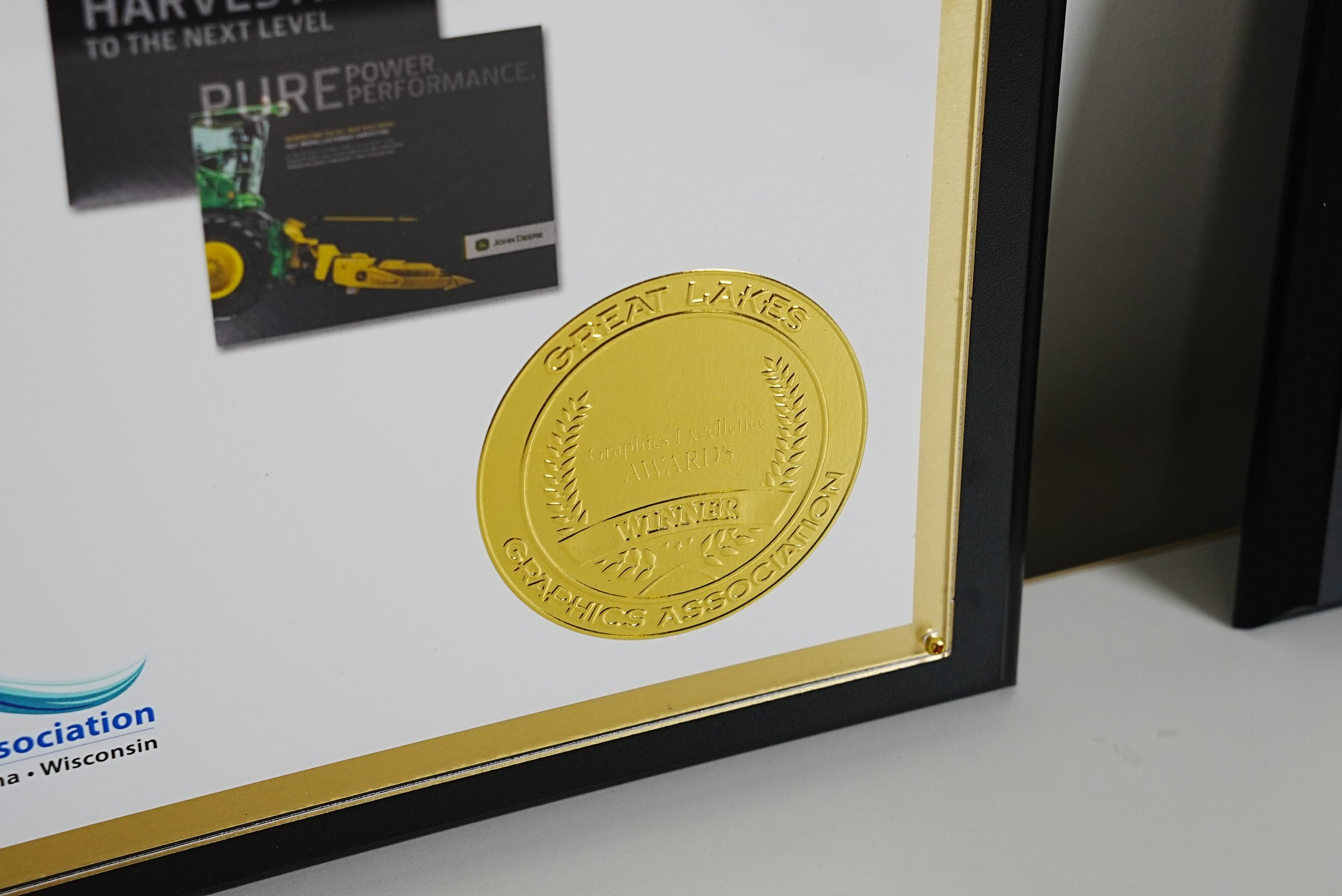
These effects are most popular on business cards, awards / certifications, and luxury print items like invitations and custom packaging to create a lasting impression. However, they’re not restricted to any type of print project, and can be used with ink or without to create incredibly effective marketing materials.
Whether applying ink or not, manipulating the paper to leave a raised or recessed impression creates an image where highlights and shadows generate a subtle yet effective effect that can be used on an array of different papers and cardstock to produce extremely memorable marketing materials.
It's important to consider, however, that the quality and depth of embossing or debossing embellishments can depend on the intricacy of the design and the weight of the paper being used. Generally speaking, thick, bold text and larger block images can be embossed the deepest and heavier, high cotton content papers produce the best finished result.
-
Embossing and debossing can be applied to a wide range of items, adding a unique and sophisticated touch to various print materials.
Here are some of the most common examples:
Awards
Book Covers
Brochures
Business Cards
Certificates
Envelopes and Stationery
Greeting Cards
Invitations & Announcements
Labels
Letterheads
Menus
Retail Packaging
Postcards
Posters
Retractable Banners